
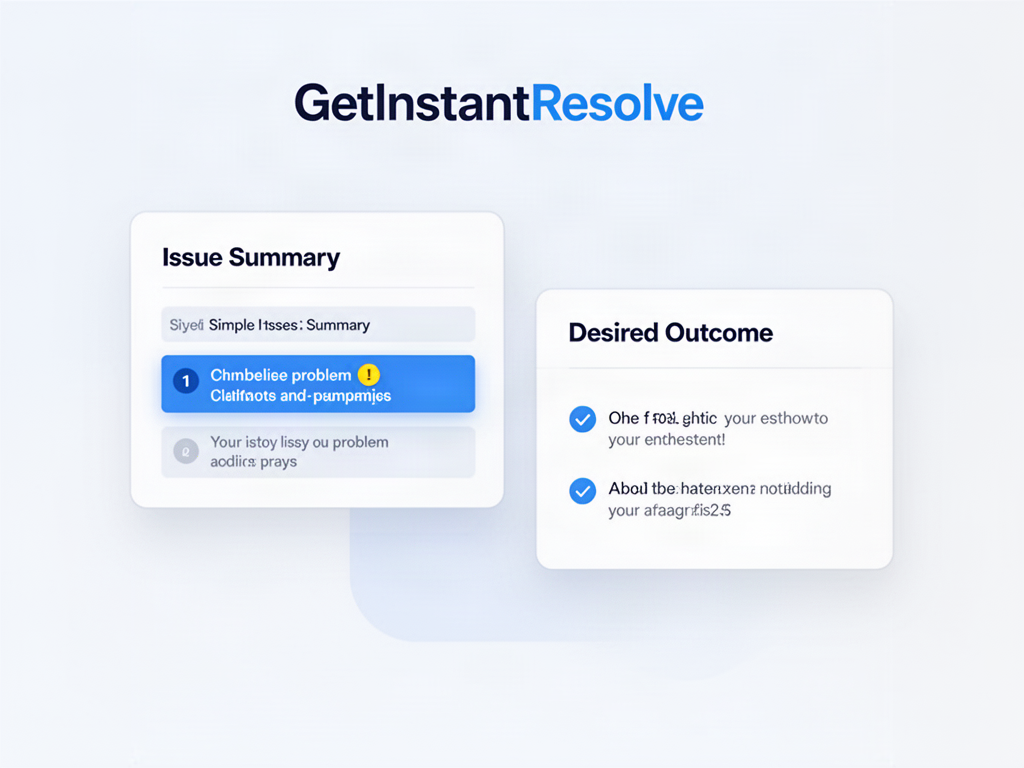
 1 · PROBLEMIncident / decision
Define the disputed issue
GetInstantResolve guide
Identify the issue in dispute—such as fault, repairs, valuation, expenses, excess or insurer delay—then connect the supporting records, state the outcome requested and track every response.
General information only — not legal advice · Reviewed 2 October 2026
Keep the dispute moving one visible step at a time instead of jumping between messages, promises and escalation ideas.
1 · PROBLEMIncident / decisionDefine the disputed issue
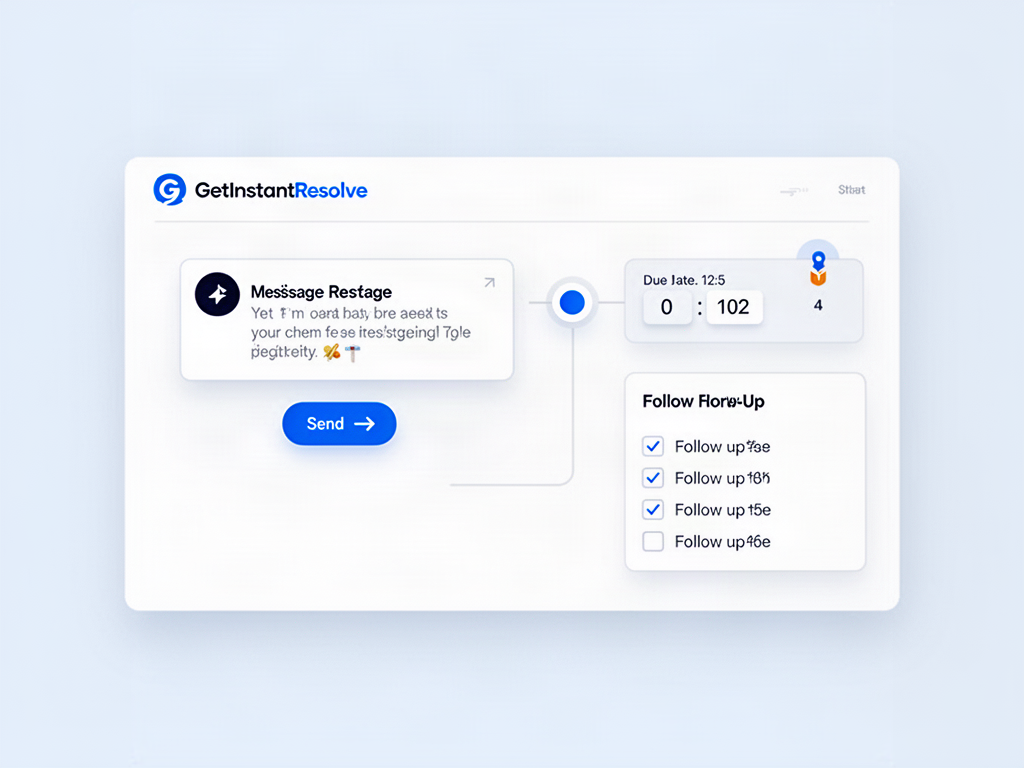 2 · ACTIONInsurer request
Build the supporting record
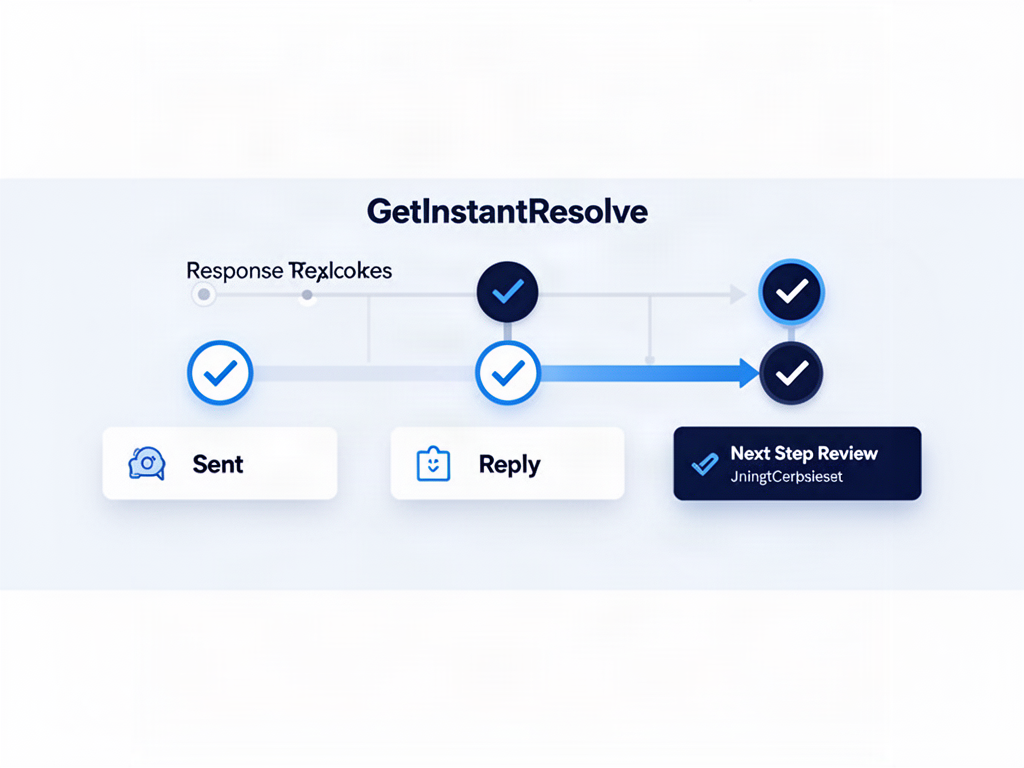 3 · RESPONSEResponse / offer
State the requested action
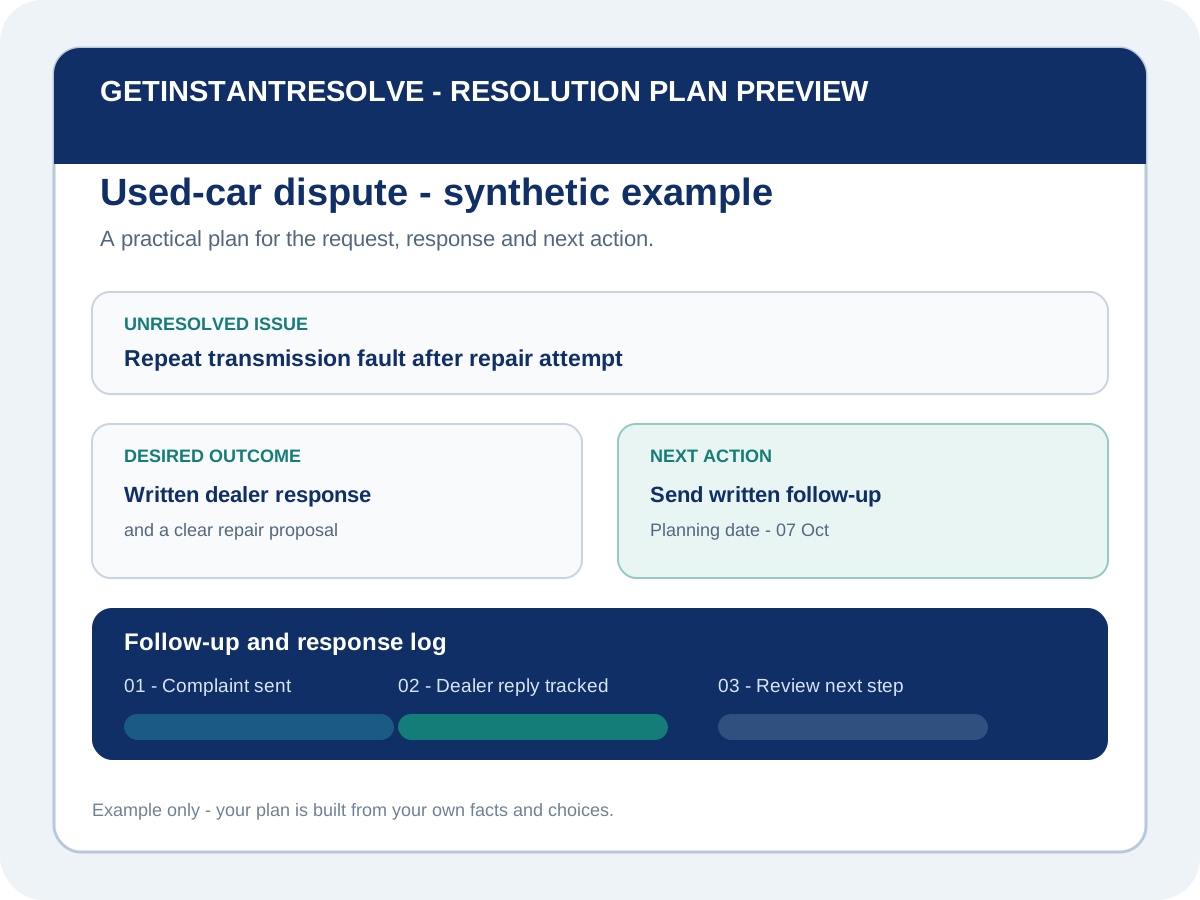 4 · REVIEWReview next route
Track insurer and repairer responses
Separate fault, repair scope, vehicle value, expense reimbursement, excess, delay or coverage questions so each can be answered clearly.
Use the accident chronology, photographs, reports, estimates, invoices and insurer correspondence relevant to the issue.
Ask for a specific review, explanation, payment, repair authorisation or correction rather than a vague reconsideration.
Keep claim references, names, dates, promises, document requests and decision letters together.
Insurance complaint, ombudsman, regulator, tribunal or court pathways vary by jurisdiction and can have strict time limits.
GetInstantResolve does not determine fault, medical causation, policy coverage or compensation entitlement.
Continue the journey
Common questions