
 1 · PROBLEMPolicy / claim
Identify the disputed decision
GetInstantResolve guide
Start with the policy, the event that caused the claim and the insurer’s written position. Identify the disputed point, organise any missing evidence, make a clear review request, track the response and verify the correct local complaint or escalation route before taking formal action.
General information only — not legal advice · Reviewed 4 October 2026
Keep the dispute moving one visible step at a time instead of jumping between messages, promises and escalation ideas.
1 · PROBLEMPolicy / claimIdentify the disputed decision
 2 · ACTIONInsurer review request
Compare the decision with the claim file
 3 · RESPONSEInsurer response
Answer information requests clearly
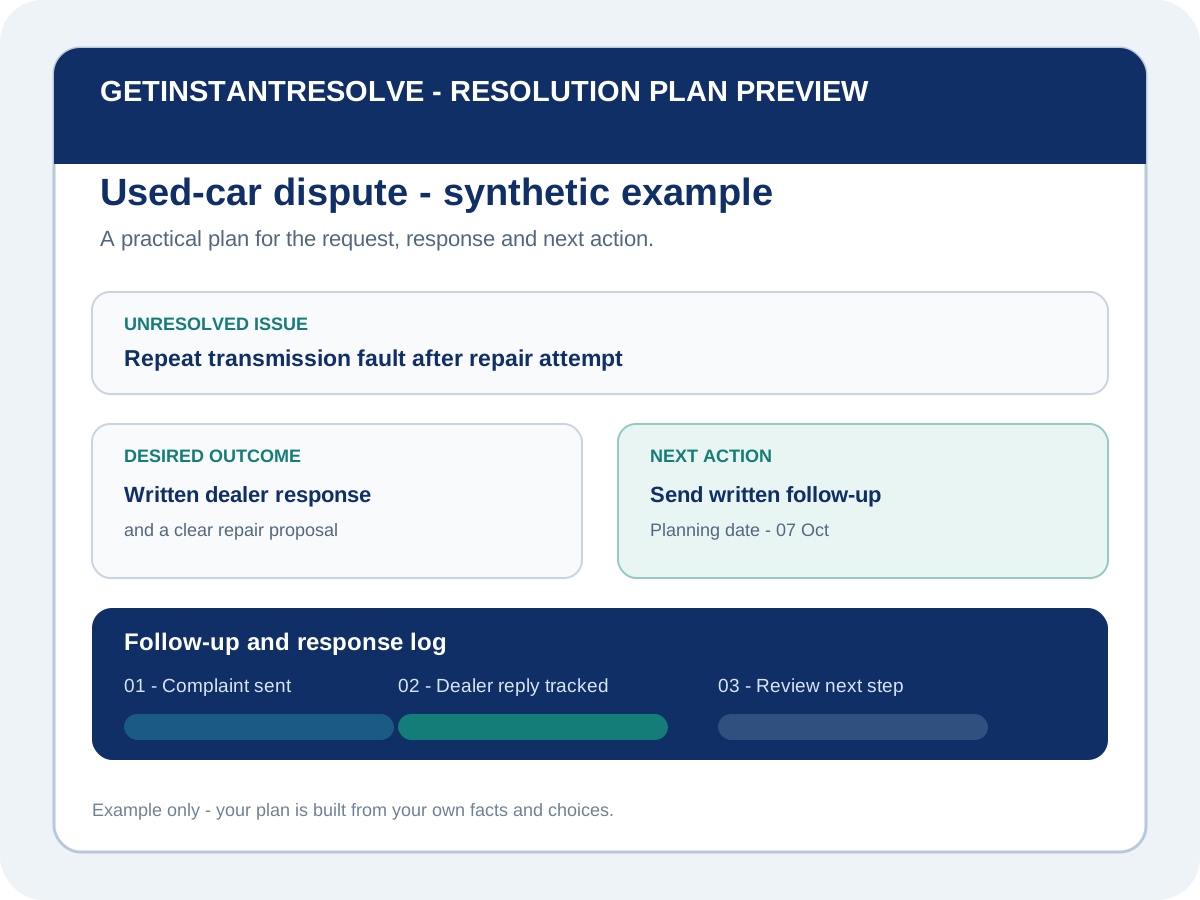 4 · REVIEWComplaint / next route
Request review in writing
Record whether the claim is delayed, reduced, partly paid or denied and preserve the insurer’s written reasons, policy clause or exclusion relied on.
Put the policy wording, event timeline, supporting medical or incident evidence, claimed costs and refunds beside the insurer’s reasons so the real point of disagreement is visible.
If the insurer asks for more material, list what was requested, what you supplied, the date sent and anything genuinely unavailable. Do not invent missing detail.
State the claim reference, disputed point, supporting records, outcome requested and a reasonable response date. Keep proof of sending and every reply.
Internal dispute resolution, ombudsman, regulator, tribunal or court options depend on the policy issuer and jurisdiction. Confirm the current official route and any deadline before escalating.
GetInstantResolve helps organise communications and next steps. It does not decide policy coverage, overturn an insurer decision, provide legal advice or guarantee payment.
Continue the journey
Common questions